New Year Traditions
Why Rituals Matter
As the clock ticks toward midnight on December 31st, excitement builds. The countdown begins, and in those final seconds, we’re not just welcoming a new year—we’re saying goodbye to the old one. It’s a moment of reflection and anticipation: looking back on what was and forward to what could be.
Across the UK (and beyond), this turning point is marked by traditions—some centuries old, others surprisingly recent. These rituals matter because they give us a sense of continuity, belonging, and hope.
Fireworks: A Modern Addition
Believe it or not, fireworks at New Year are a relatively new phenomenon in the UK. Before the millennium celebrations in 1999/2000, fireworks were almost exclusively linked to Bonfire Night on November 5th. Today, they light up the skies as a symbol of celebration and new beginnings.
Auld Lang Syne: A Song of Friendship
Written by Robert Burns in 1788 and rooted in an older Scottish folk tune, Auld Lang Syne has become synonymous with New Year. For many—especially in Scotland—it’s considered bad luck not to sing it as the clock strikes twelve. The lyrics remind us to cherish old friendships as we step into the future.
First Footing: Welcoming Good Fortune
One of the most fascinating traditions is “First Footing.” The first person to enter your home after midnight is believed to bring luck for the year ahead. Traditionally, this person should be a dark-haired male (a superstition dating back to Viking times when blond strangers were rarely welcome!). The first footer often carries symbolic gifts: coal for warmth, coins for prosperity, and a drink—usually something strong—to toast the year.
Why Rituals Matter Beyond New Year
New Year isn’t the only time we follow rituals. Life is full of rites of passage—birth, marriage, and death—each steeped in tradition. Historically, these were overseen by the church, but times have changed. Today, many families choose non-religious ceremonies, from naming celebrations to weddings in stately homes, and funerals led by celebrants rather than clergy.
These rituals, whether ancient or modern, help us mark life’s milestones. They give meaning to moments that matter.
Looking Ahead: In 2026, I’ll be sharing more about alternative ceremonies and how they’re shaping the way we celebrate life’s big events. Stay tuned!
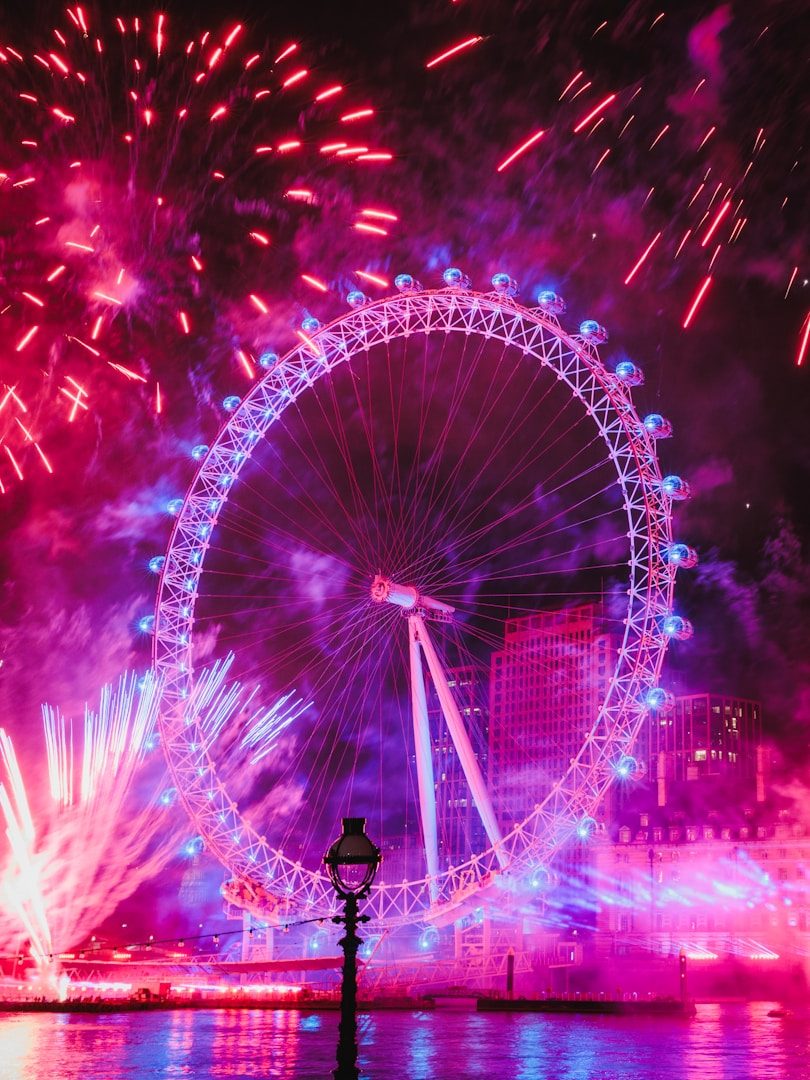
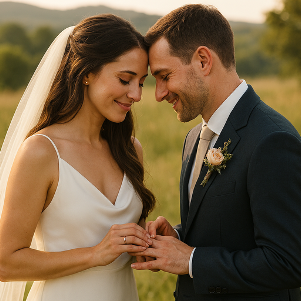
Image created by CoPilot AI
Celebrant-Led Weddings: How to Create a Personal Ceremony Anywhere
Your Dream Wedding, Your Way
Planning a wedding in England or Wales? You’ve probably discovered the maze of rules: both the venue and the officiant must be licensed. But what if you want something more personal, in a location that truly means something to you?
That’s where Celebrant-led weddings come in. They give you the freedom to design a ceremony that reflects your love story—without being tied to rigid regulations. Here’s what you need to know.
The Legal Bit
Celebrant-led weddings aren’t legally binding (yet!). So, you’ll need a quick legal ceremony first—known as a 2+2. It’s simple: you and your partner, two witnesses, and a registrar. Most couples do this earlier on the same day or a few days before. Bonus tip: Monday mornings are usually the cheapest at local Register Offices.
Once that’s done, you’re officially married—and ready for the fun part!
Your Celebrant Ceremony
This is where the magic happens. You can hold your ceremony anywhere (with landowner permission)—a beach, a forest, your garden. Just keep in mind practicalities like accessibility, safety, and a backup plan for bad weather.
The best part? Total flexibility. Include music, exchange rings and vows, or add unique rituals that celebrate your journey. Got kids? Bring them into the ceremony to show you’re creating a new family together.
Ready to Start Planning?
If this sounds like your kind of wedding, let’s chat! An informal coffee costs nothing, and once you’ve set a date and venue, we’ll help you craft a day that’s truly yours.